
NOTE: Candidates can only use the scholarship to study outside their own country.
MSc in Pharmaceutical & Medicinal Chemistry
Programme Overview
i. Equip students with the knowledge base in pharmaceutical and medicinal chemistry.
ii. Develop skills and competencies applicable to the field.
iii. Produce high-calibre professionals who will play leading roles in pharmaceutical and allied industries — particularly in drug discovery and development (DDD), drug quality control and assurance (DQCA), and drug efficacy and action.
iv. Provide advanced knowledge and skills to meet national and international manpower needs in pharmaceutical education and research.
In the first year, students cover advanced organic chemistry, medicinal chemistry, chemistry of natural products, modern analytical techniques, advanced pharmacokinetics and metabolic chemistry, pharmaceutical analysis and quality evaluation, and drug design and synthesis. Special emphasis is placed on drug discovery from medicinal plants targeting global diseases such as malaria, hypertension, diabetes, and microbacterial and inflammatory diseases. ICT, biostatistics, entrepreneurship, and research methods are also integrated. Teaching is delivered through problem-based learning, interactive lectures, laboratory practicals, self-directed learning, and seminar presentations.
In the second year, students conduct supervised research on approved topics in pharmaceutical and medicinal chemistry, culminating in a thesis examined internally, externally, and through an oral examination.
Learning Outcomes
At the end of the programme, students will have acquired advanced knowledge in medicinal chemistry, modern analytical techniques, natural products chemistry, pharmaceutical analysis, and drug design and synthesis. They will also have developed skills and competencies in: a) Analytical techniques — basic and advanced b) Novel drug discovery approaches c) Biostatistics and research methodology d) ICT and research methods e) Entrepreneurship and management Assessment is through written examinations, terminal papers, writing assignments, seminar presentations, and practical scores. Students present their research proposals at the end of Year 1 before a scientific board, then pass all Year 2 progress seminars before submitting their thesis.
Course Modules
Advanced Organic Chemistry
Medicinal Chemistry
Chemistry of Natural Products
Modern Analytical Techniques
Advanced Pharmacokinetics and Metabolic Chemistry
Pharmaceutical Analysis and Quality Evaluation
Drug Design and Synthesis
ICT & Research Methods
Entrepreneurship and Management
Research Seminar
Dissertation / Thesis
About University of Port Harcourt
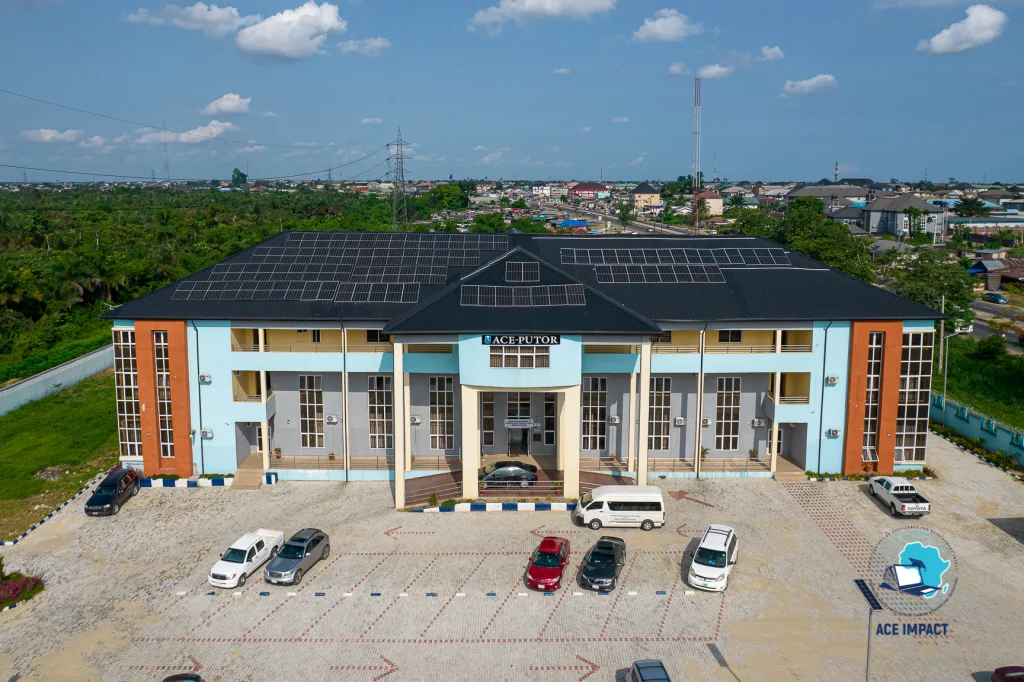
The University of Port Harcourt — popularly known as "Unique UniPort" — is one of Nigeria's avant-garde tertiary institutions with a mandate to empower the Niger Delta region and the country academically. Established in 1975 as a College of the University of Lagos, the university gained full autonomous status in 1977 and is located about 18 kilometres northwest of Port Harcourt — Nigeria's Garden City, home to the country's second largest seaport and the hub of the petroleum and gas industry. UniPort is uniquely situated at the intersection of West Africa's tropical rainforest and the wetlands, swamps, and mangrove forests of the Niger Delta. Recognised by the National Universities Commission (NUC) and a member of the Association of Commonwealth Universities (ACU), the university offers programmes across the arts, engineering, social sciences, and sciences, and runs effective extension services through specialised research institutes and centres. As of 2022, UNIPORT hosts 72 bachelor's, 125 master's-level, and 106 doctoral-level programmes, with a total student population of 33,501, a teaching staff strength of 1,456, and administrative staff of 2,008. The Africa Centre of Excellence in Public Health and Toxicological Research (ACE-PUTOR, www.aceputoruniport.edu.ng) — the EXCEL-PHARM managing centre — is a World Bank-funded regional hub for interdisciplinary postgraduate training and research in public health, toxicology, nutrition, and nursing sciences.
Ready to Apply?
Applications for the 2026/2027 intake have closed. Details of future calls will be announced on this website.
How to Apply